Long Island City, New York · Roofing referrals
Dutch Kills Roofing is a specialist research and referral service for roofing in Long Island City. One call connects you with an independent local pro. No charge to call, and no obligation until you approve a written estimate.
Dutch Kills Roofing is a free referral service. We connect you with an independent local pro; we do not perform the work ourselves.
Operated in the United States by a US based routing team, with US based staff on the line.
Serving Long Island City ZIP codes 11101, 11109, 11120, across the Dutch Kills service area and the neighborhoods named below.
Published national guides put minor roof repairs commonly between about $300 and $1,500, with the failed detail deciding the number: a vent boot, a valley, or a flashing section. Long Island City adds Valley heat: shingles and sealants age years faster than on the coast, and they age unevenly by slope. In Long Island City the deciding local variable is this: flat and low slope roofs on the prewar and industrial stock pond meltwater behind parapets until seams open, river wind off the East River lifts edges and flashing on the waterfront buildings, and layered tear off history hides deck rot under sound looking surfaces. This 2027 guide is compiled from the latest published national figures and local data for the covered ZIP codes 11101, 11109, 11120.
Nothing. The call and the referral are free, and there is no obligation to hire anyone.
Only after the pro has seen the job and you have approved a written estimate. Approving the price is always your decision.
An independent local contractor who takes this kind of work in Long Island City. You deal with them directly, and you can verify licensing and insurance before hiring.
No. This service is run by a US based routing team. Real people here route your call to a local pro.
Emergency tarping in Long Island City anchored for the wind that rides with the rain bands in Long Island City, shaped by prewar apartment and mixed use stock, side street brick homes, and converted industrial buildings where ponding flat roofs behind parapets, river wind lifted flashing, and hidden deck rot in layered roofs drive the call pattern.
Call PLACEHOLDER
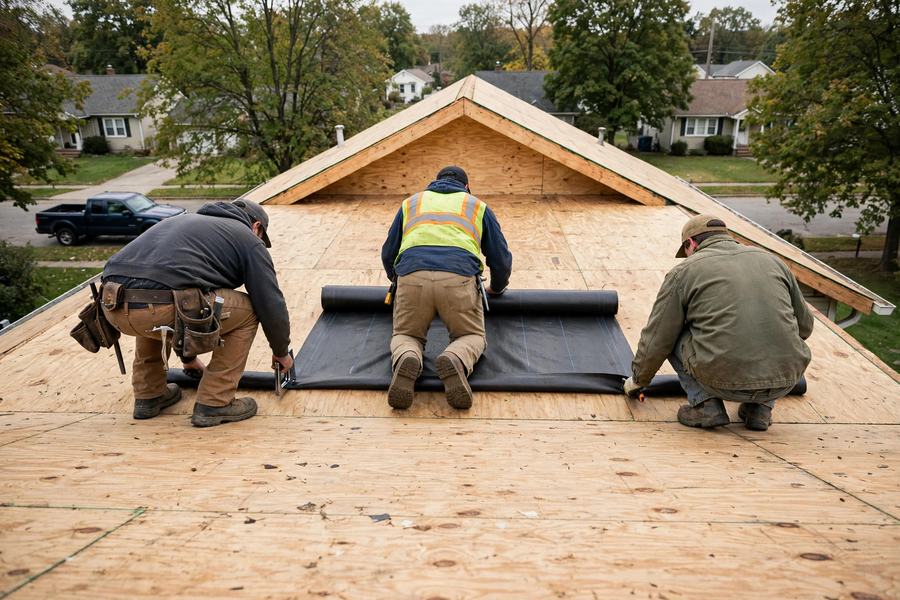
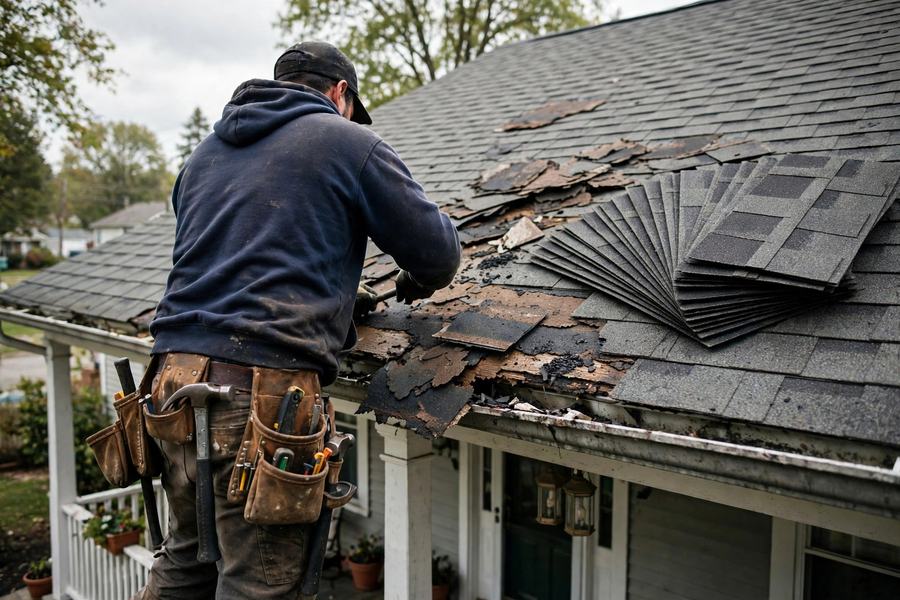
Shingle replacement in Long Island City scoped from layer count and ventilation, in writing in Long Island City, shaped by prewar apartment and mixed use stock, side street brick homes, and converted industrial buildings where ponding flat roofs behind parapets, river wind lifted flashing, and hidden deck rot in layered roofs drive the call pattern.
Call PLACEHOLDER
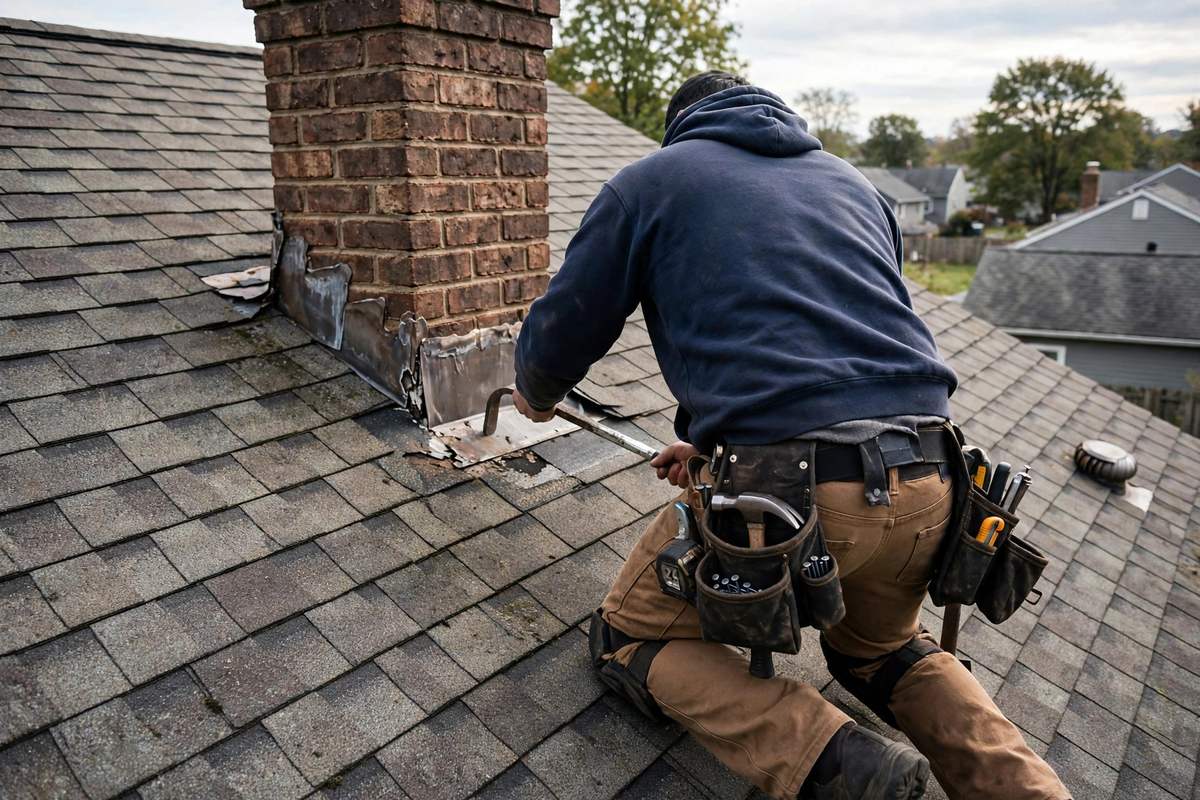
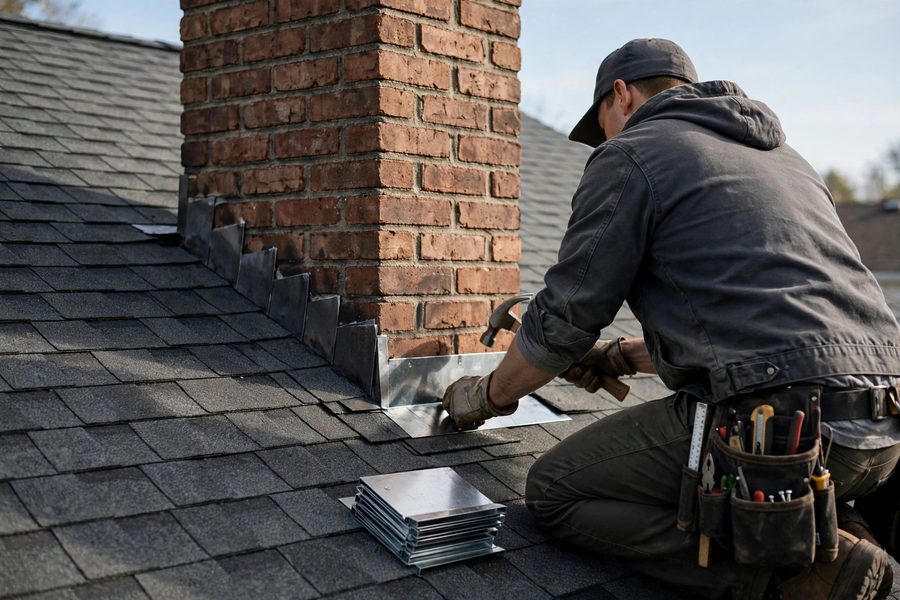
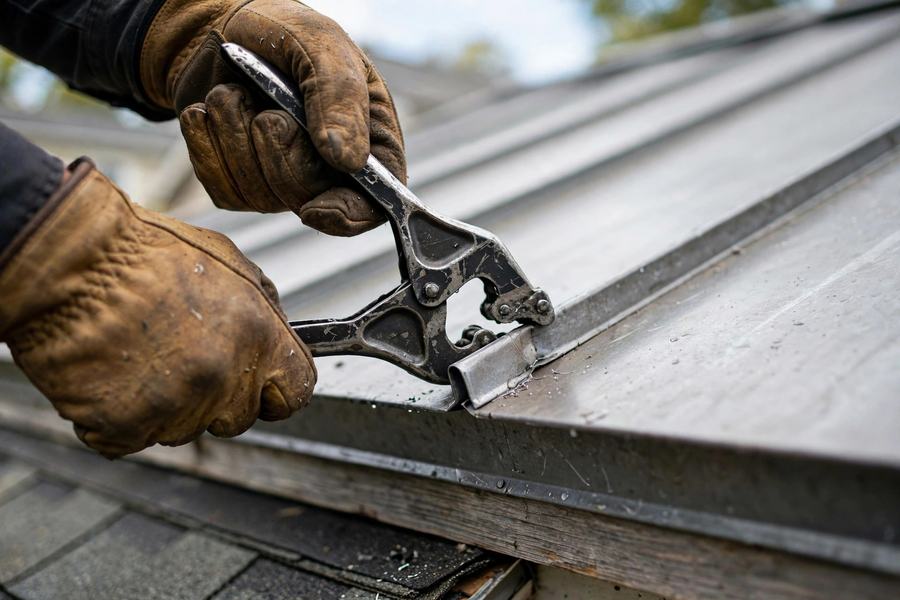
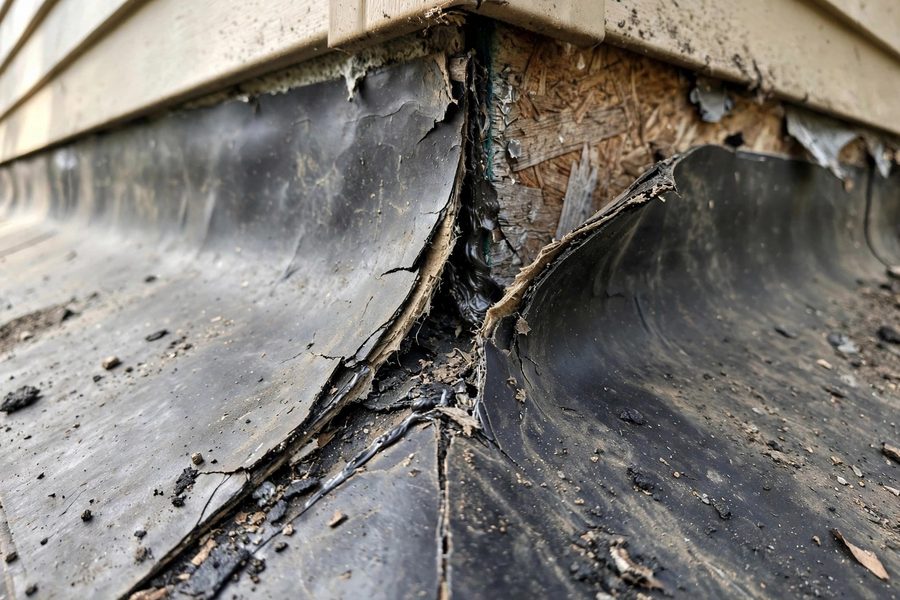
Flashing repair in Long Island City aimed at the joints thermal movement has split, detail by detail in Long Island City, shaped by prewar apartment and mixed use stock, side street brick homes, and converted industrial buildings where ponding flat roofs behind parapets, river wind lifted flashing, and hidden deck rot in layered roofs drive the call pattern.
Call PLACEHOLDER
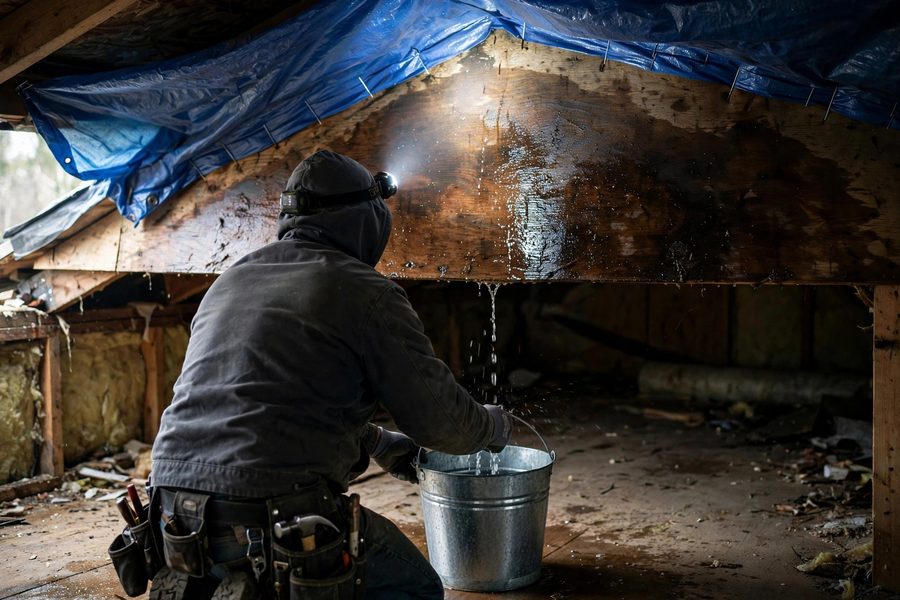
Leak repair in Long Island City diagnosed from the attic side after the first storm band finds the tired detail in Long Island City, shaped by prewar apartment and mixed use stock, side street brick homes, and converted industrial buildings where ponding flat roofs behind parapets, river wind lifted flashing, and hidden deck rot in layered roofs drive the call pattern.
Call PLACEHOLDER
Roof repair in Long Island City read as heat work, where Valley summers age every detail early in Long Island City, shaped by prewar apartment and mixed use stock, side street brick homes, and converted industrial buildings where ponding flat roofs behind parapets, river wind lifted flashing, and hidden deck rot in layered roofs drive the call pattern.
Call PLACEHOLDER
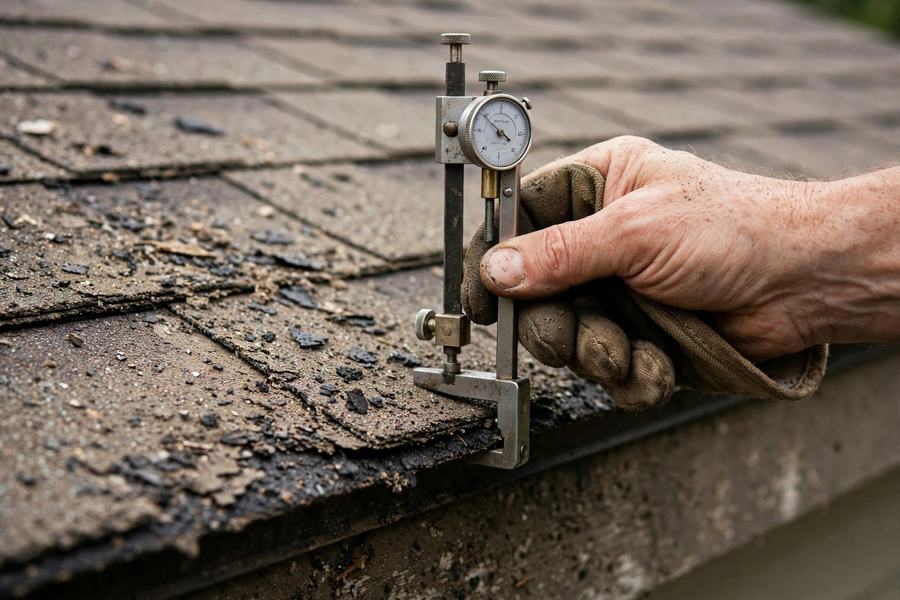
Roof inspection in Long Island City that reports remaining life slope by slope, because Valley sun ages them separately in Long Island City, shaped by prewar apartment and mixed use stock, side street brick homes, and converted industrial buildings where ponding flat roofs behind parapets, river wind lifted flashing, and hidden deck rot in layered roofs drive the call pattern.
Call PLACEHOLDER
Storm damage repair in Long Island City that separates storm harm from heat wear, honestly, for the claim in Long Island City, shaped by prewar apartment and mixed use stock, side street brick homes, and converted industrial buildings where ponding flat roofs behind parapets, river wind lifted flashing, and hidden deck rot in layered roofs drive the call pattern.
Call PLACEHOLDER
Metal roofing in Long Island City chosen for heat reflection as much as durability, finish rating named in Long Island City, shaped by prewar apartment and mixed use stock, side street brick homes, and converted industrial buildings where ponding flat roofs behind parapets, river wind lifted flashing, and hidden deck rot in layered roofs drive the call pattern.
Call PLACEHOLDER
Flat roof repair in Long Island City that reads the pond first: standing water is a drainage verdict in Long Island City, shaped by prewar apartment and mixed use stock, side street brick homes, and converted industrial buildings where ponding flat roofs behind parapets, river wind lifted flashing, and hidden deck rot in layered roofs drive the call pattern.
Call PLACEHOLDERDescribe what you are seeing. One free call connects you with an independent local pro who can assess it in person.
PLACEHOLDERIn Long Island City, the 2027 price of a roofing job is set by the local pattern (ponding flat roofs behind parapets, river wind lifted flashing, and hidden deck rot in layered roofs drive the call pattern) and the stock it serves, checked against the latest published national figures.
See cost ranges and how insurance paysPublished national guides put minor roof repairs commonly between $150 and $450, leak repairs between $350 and $1,200 depending on the entry point, and emergency tarping between $200 and $1,000. Full asphalt shingle replacement runs roughly $3.50 to $6.00 per square foot installed, which lands a typical home between $5,000 and $15,000, and metal roofing runs roughly $9 to $16 per square foot installed. Anyone quoting a firm total without getting on the roof is guessing; the honest sequence is inspection, then a written price for the named failure.
It depends on the cause, and the cause is the whole answer. Sudden storm damage, wind that lifts or removes shingles, hail that fractures mats, and a tree through the roof are the covered kind, subject to your deductible and to whether your policy pays replacement cost (RCV) or depreciated actual cash value (ACV). Age, wear, granule loss over time, and leaks from a roof at end of life are maintenance and are not covered anywhere. Document storm damage with dated photos before tarping or repair, and file under the storm date.
Age and spread decide it. One failed detail on a sound 10 year old roof is a repair. The same leak on a 22 year old roof with brittle, granule bare shingles across slopes is money into a roof that will leak somewhere else next season. The working rule: if repairs in a short window approach a third to a half of replacement cost, or the shingle mat itself is failing across slopes rather than at one detail, replacement is usually the better money. Ask for both prices in writing, with the roof's age and condition stated.
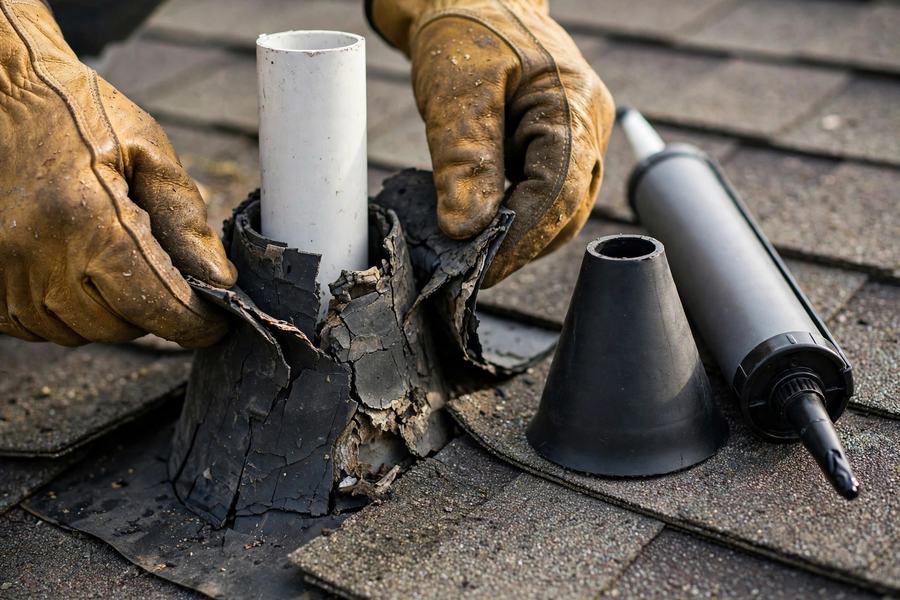
Asphalt architectural shingles commonly serve 20 to 30 years in mild conditions and less where heat, hail, salt air, or storm exposure work on them; three tab shingles run shorter. Metal roofing is the long option at 40 to 70 years with fastener and seam maintenance along the way. Vent pipe boots and sealant joints are the short life parts on any roof at roughly 10 to 15 years, which is why a sound roof can still leak at a penetration.
If water is actively coming through, treat drywall and belongings first today: bucket under the drip, move what can be moved, and call today. Water pooled above a ceiling can bring the ceiling down, so keep people out from under a bulging section. A dry stain that only grows after rain can wait for a scheduled inspection this week. What should not wait past the next rain is any opening you can see from the ground: missing shingles or lifted flashing are entries the next storm will use.
Yes, and the order matters: inspection first, claim decision second. Hail damage that matters is functional: fractured or bruised shingle mats that shorten the roof's life, documented in test squares per slope. Dents in soft metals and gutters support the finding. An inspection gives you dated photos and a per slope record; with that in hand, the claim decision is arithmetic against your deductible and your wind and hail terms. Filing first and documenting later is how storm claims get argued.
Metal runs roughly double shingle cost up front and commonly lasts two to three times as long, with the strongest wind performance of the common systems, which is why it keeps winning on storm coasts and in hail country. It asks for fastener and seam maintenance over its life rather than replacement. Shingles cost less now and repair in small sections easily. The honest comparison is cost per year of service on your exposure, and a roofer should be able to show you that arithmetic for both.
Some granule loss is normal on a new roof and after heavy storms. The warning pattern is volume plus company: handfuls of granules at every downspout, shingles that look smooth or sparkle with exposed fiberglass, and brittle tabs that crack when lifted. Granules are the shingle's sun and weather armor; a roof shedding them across all slopes is aging out, while one bare patch below a valley is a local wear point worth a repair look.
Valleys and Flashing: Where Long Island City Roofs Actually Fail: If water is dripping now, protect the room below and photograph the stain and the...
Patch, Coat, or Replace: The Long Island City Decision Order: If shingles or pieces are on the ground after wind, do not climb up to look: the slope by...
This service is operated from the United States. Calls are handled by a US based team whose job is routing you to the right local pro, not harvesting leads for resale.
Prefer to talk later? Leave your details and an independent local pro will call you back. No charge to you, no obligation.
Dutch Kills Roofing is a free referral service. Submitting this form connects you with independent local contractors who provide the work.
Calls are answered 24/7. One call connects you with an independent local pro.
PLACEHOLDER