Home · Services · Roof Leak Repair
Roof Leak Repair in Long Island City, NY
Quick answer
Leak repair in Long Island City diagnosed from the attic side after the first storm band finds the tired detail in Long Island City, shaped by prewar apartment and mixed use stock, side street brick homes, and converted industrial buildings where ponding flat roofs behind parapets, river wind lifted flashing, and hidden deck rot in layered roofs drive the call pattern.
Roof Leak Repair in Long Island City starts with the local read: prewar apartment houses and mixed use buildings across the dense grid, attached brick homes on the side streets, converted industrial buildings along the channel, and newer high rise condo stock near the waterfront. The Dutch Kills side of the service area and the city's cold winters with nor easters, hot humid summers, and strong river wind off the strait set the order of work, and the scope names that order in writing before anyone commits to a price.
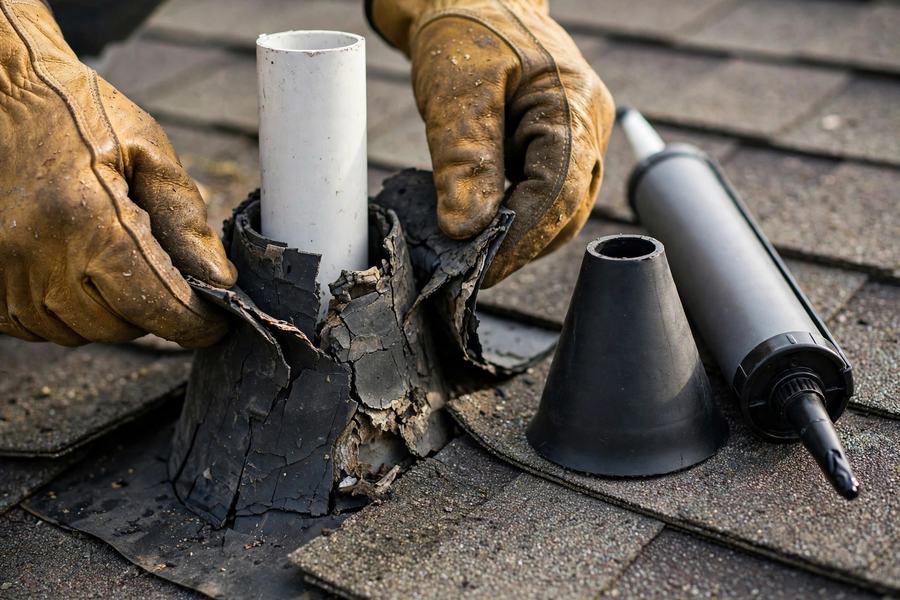
How we approach this job
Diagnosis and insurance documentation: For roof leak repair in Long Island City, the buying situation is a problem with a cause: find the real source, document it with photographs and readings for any claim, and only then price the fix.
Signs you need roof leak repair
- Wet insulation or a drip line found in the attic. It usually means the wet trail in the attic points uphill to the actual entry.
- A leak that only happens in hard, wind driven rain. It usually means the entry only opens when wind drives rain against it, which is why dry-day checks miss it.
- Dripping through a ceiling or light fixture while it rains. It usually means water is entering now and traveling to this low point.
- Paint bubbling or drywall going soft on a ceiling. It usually means the ceiling assembly is holding water from a leak above it.
What the job involves
What affects the price
- The failed detail: flashing, valley, vent, or field material
- Layer count and the condition of what lies beneath
- Slope, access, and story height
- Whether a section or the full roof is the honest scope
- Permit requirements for replacement work
When it is an emergency
An open roof is an emergency in any forecast: one storm through a lifted section can wet ceilings, insulation, and wiring. Tarping is temporary protection, not a repair, and it should be priced as its own visit.
PLACEHOLDERRoof Leak Repair across the Long Island City area
Related services
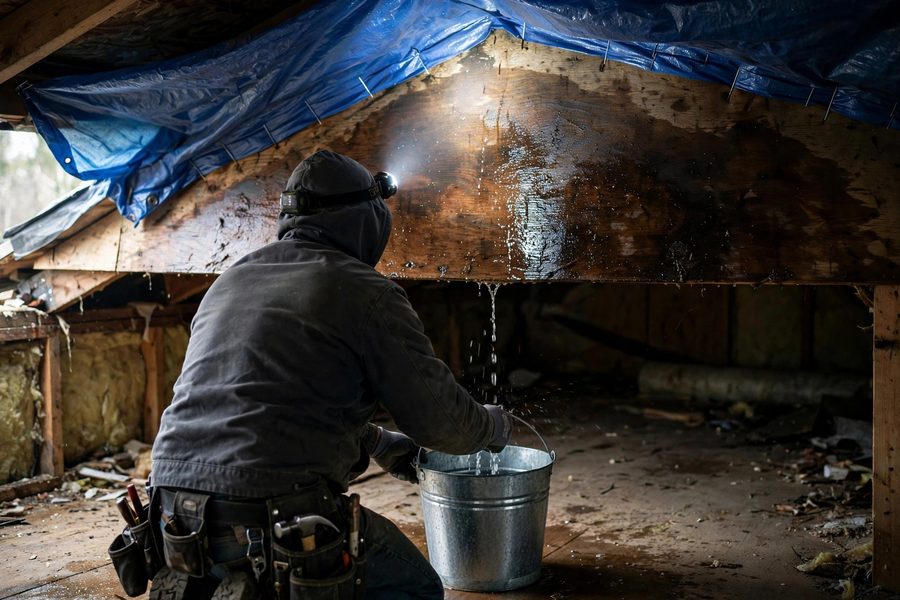
Emergency Roof Tarping
Emergency tarping in Long Island City anchored for the wind that rides with the rain bands in Long Island City, shaped by prewar apartment and mixed use stock, side street brick homes, and converted industrial buildings where ponding flat roofs behind parapets, river wind lifted flashing, and hidden deck rot in layered roofs drive the call pattern.
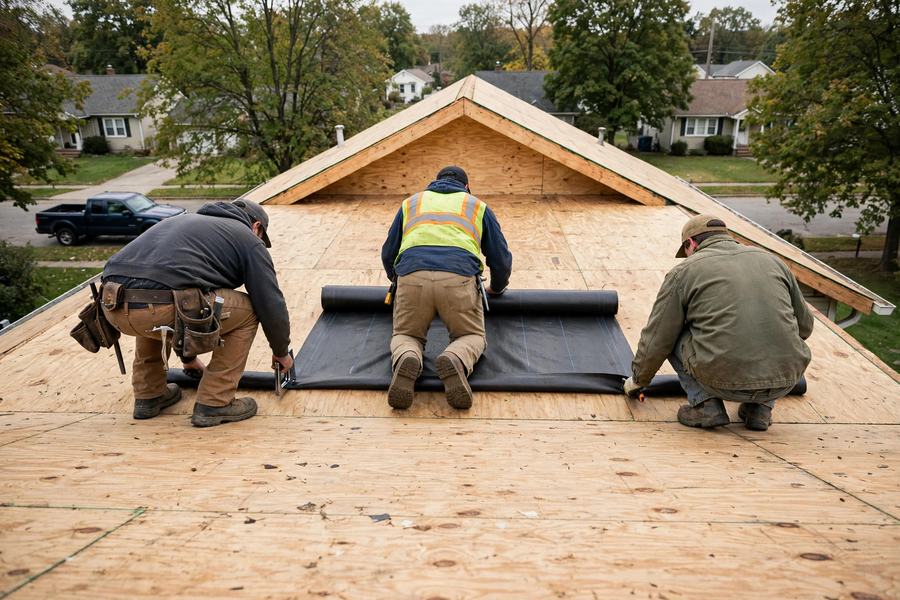
Shingle Roof Replacement
Shingle replacement in Long Island City scoped from layer count and ventilation, in writing in Long Island City, shaped by prewar apartment and mixed use stock, side street brick homes, and converted industrial buildings where ponding flat roofs behind parapets, river wind lifted flashing, and hidden deck rot in layered roofs drive the call pattern.
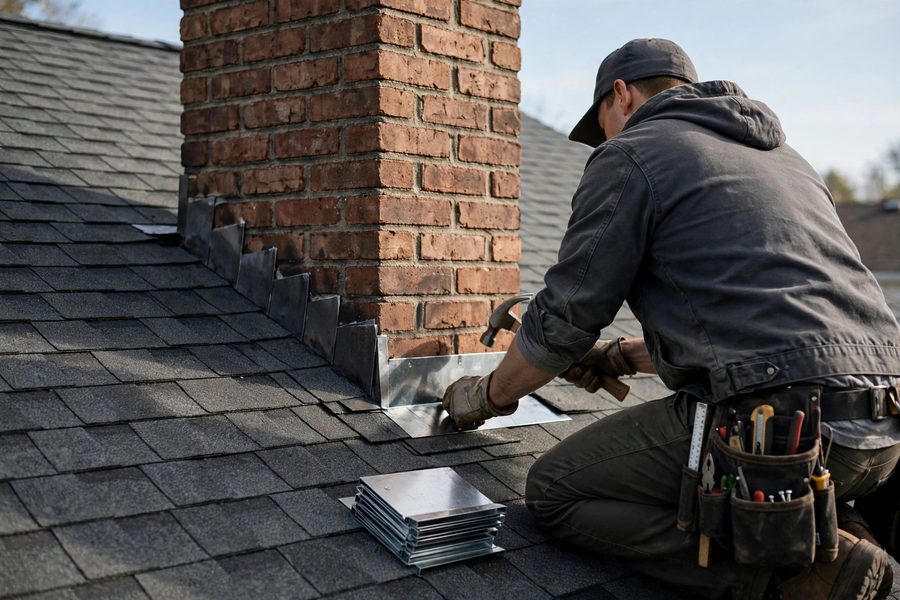
Flashing & Vent Repair
Flashing repair in Long Island City aimed at the joints thermal movement has split, detail by detail in Long Island City, shaped by prewar apartment and mixed use stock, side street brick homes, and converted industrial buildings where ponding flat roofs behind parapets, river wind lifted flashing, and hidden deck rot in layered roofs drive the call pattern.
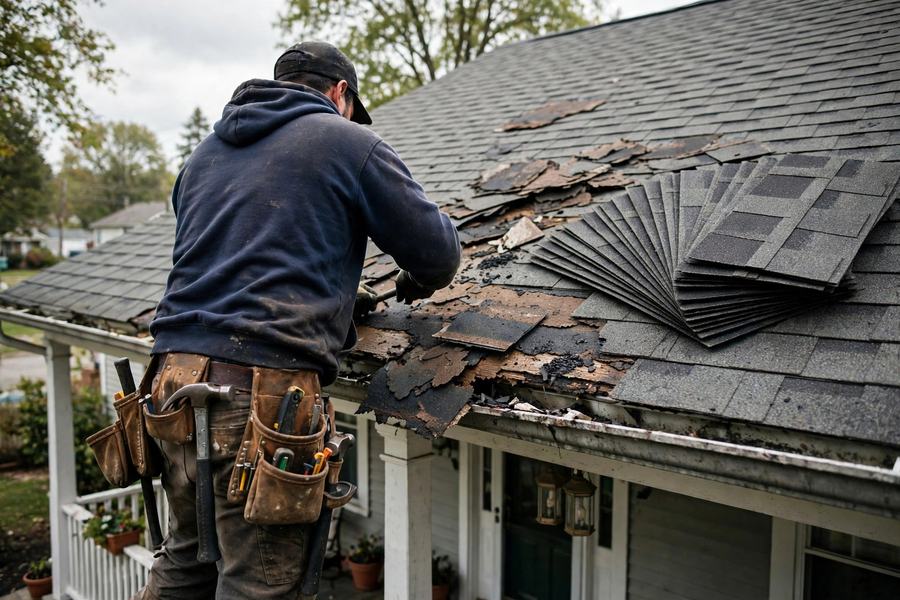
Roof Repair
Roof repair in Long Island City read as heat work, where Valley summers age every detail early in Long Island City, shaped by prewar apartment and mixed use stock, side street brick homes, and converted industrial buildings where ponding flat roofs behind parapets, river wind lifted flashing, and hidden deck rot in layered roofs drive the call pattern.
Roof Leak Repair questions, answered
When is roof leak repair an emergency?
An open roof is an emergency in any forecast: one storm through a lifted section can wet ceilings, insulation, and wiring. Tarping is temporary protection, not a repair, and it should be priced as its own visit.
What affects the price of roof leak repair in Long Island City?
The main price factors for roof leak repair are covered in the cost section above. The contractor confirms the exact price in a written estimate after seeing the job, and nothing is owed until you approve it. The call and the referral are free.
Does attic ventilation really change how long a Valley roof lasts?
Yes. An under-ventilated Long Island City attic passes 130 degrees in summer and cooks the shingles from below, shortening their life regardless of brand. Ventilation corrections made at replacement time are among the highest-value lines in the scope, because they protect every year of the new roof's life.
How much does roof repair cost in Long Island City?
Published national guides put minor roof repairs commonly between $150 and $450, leak repairs between $350 and $1,200 depending on the entry point, and emergency tarping between $200 and $1,000. Full asphalt shingle replacement runs roughly $3.50 to $6.00 per square foot installed, which lands a typical home between $5,000 and $15,000, and metal roofing runs roughly $9 to $16 per square foot installed. Anyone quoting a firm total without getting on the roof is guessing; the honest sequence is inspection, then a written price for the named failure.
Does homeowners insurance cover roof damage in Long Island City?
It depends on the cause, and the cause is the whole answer. Sudden storm damage, wind that lifts or removes shingles, hail that fractures mats, and a tree through the roof are the covered kind, subject to your deductible and to whether your policy pays replacement cost (RCV) or depreciated actual cash value (ACV). Age, wear, granule loss over time, and leaks from a roof at end of life are maintenance and are not covered anywhere. Document storm damage with dated photos before tarping or repair, and file under the storm date.
Request a callback
Prefer to talk later? Leave your details and an independent local pro will call you back. No charge to you, no obligation.
Dutch Kills Roofing is a free referral service. Submitting this form connects you with independent local contractors who provide the work.